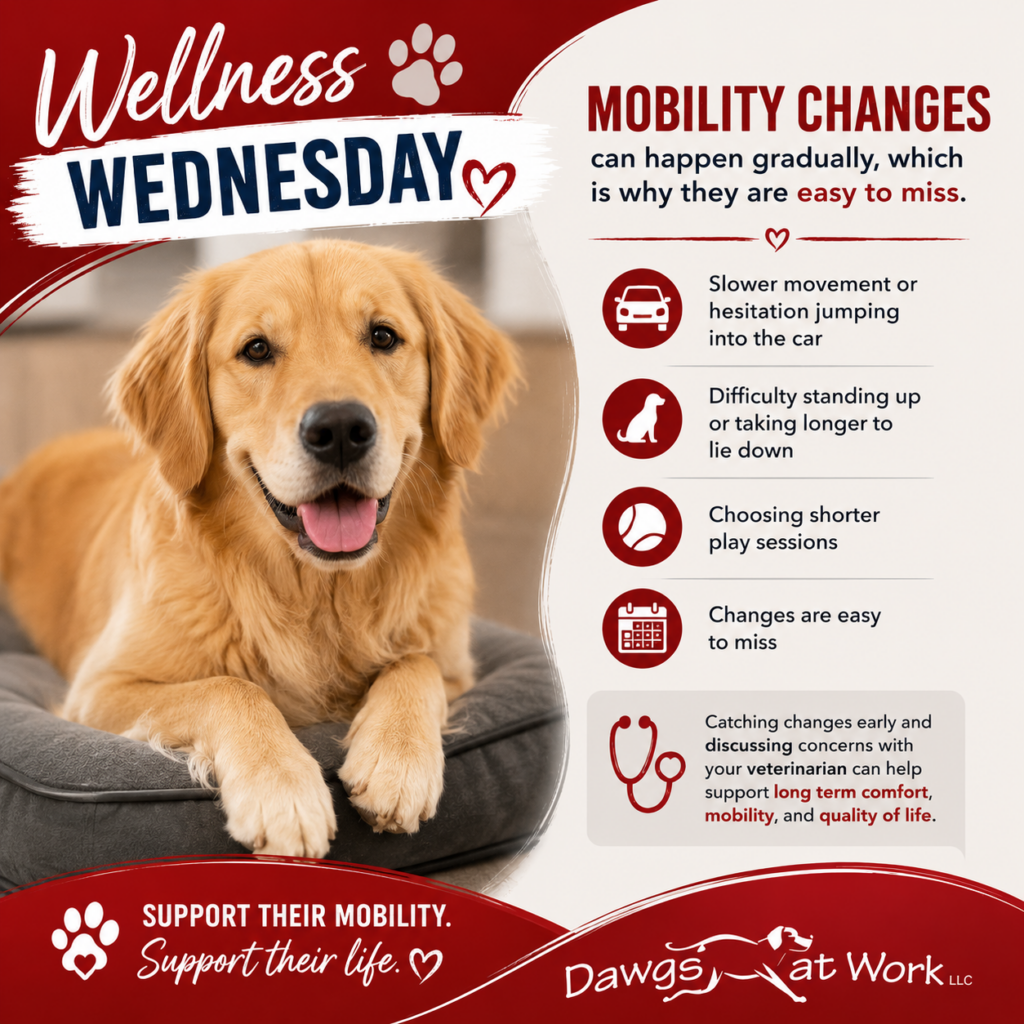
Mobility changes can happen gradually, which is why they are easy to miss. Slower movement, hesitation jumping into the car, difficulty standing up, taking longer to lie down, or choosing shorter play sessions are sometimes brushed off as “just getting older.” While age can play a role, subtle changes may also signal discomfort or underlying issues worth paying attention to. Catching changes early and discussing concerns with your veterinarian can help support long term comfort, mobility, and quality of life.
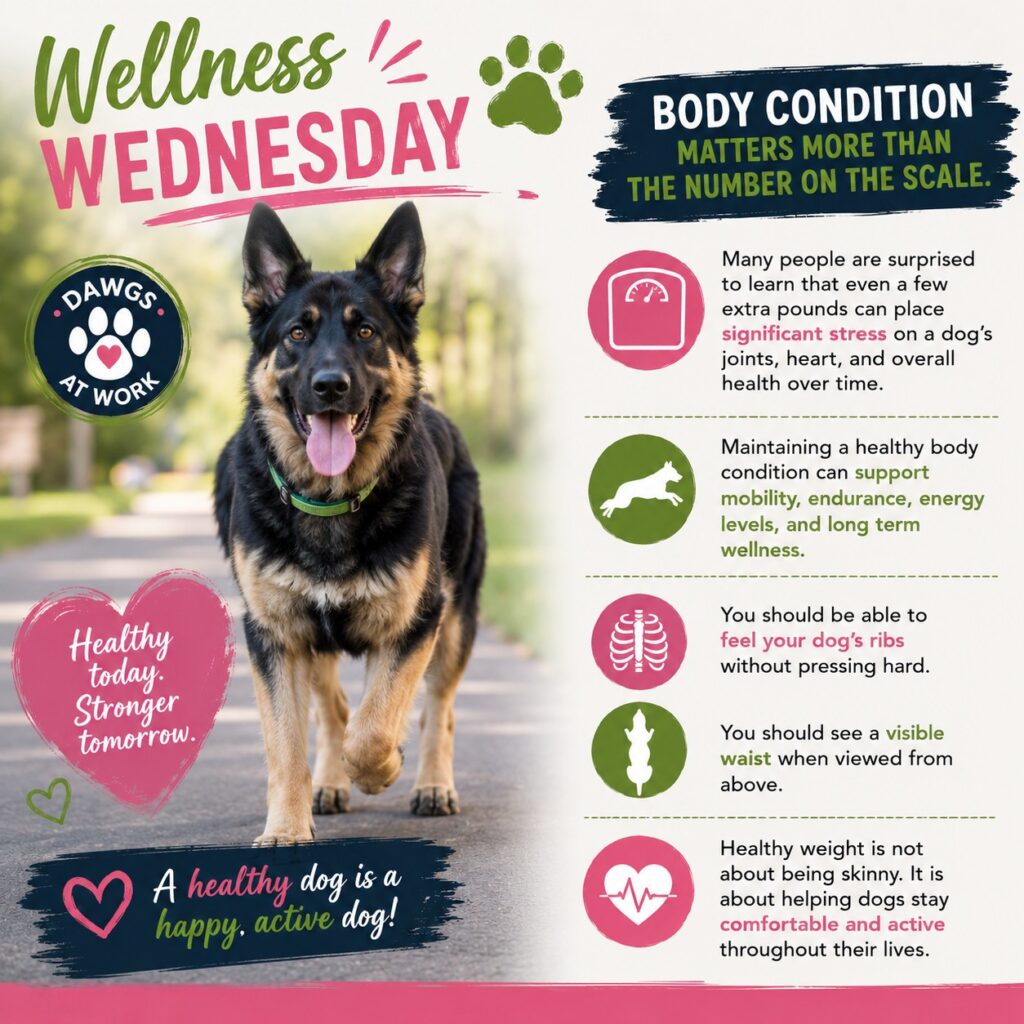
Body condition matters more than the number on the scale. Many people are surprised to learn that even a few extra pounds can place significant stress on a dog’s joints, heart, and overall health over time. Maintaining a healthy body condition can support mobility, endurance, energy levels, and long term wellness. You should be able to feel your dog’s ribs without pressing hard and see a visible waist when viewed from above. Healthy weight is not about being skinny. It is about helping dogs stay comfortable and active throughout their lives.
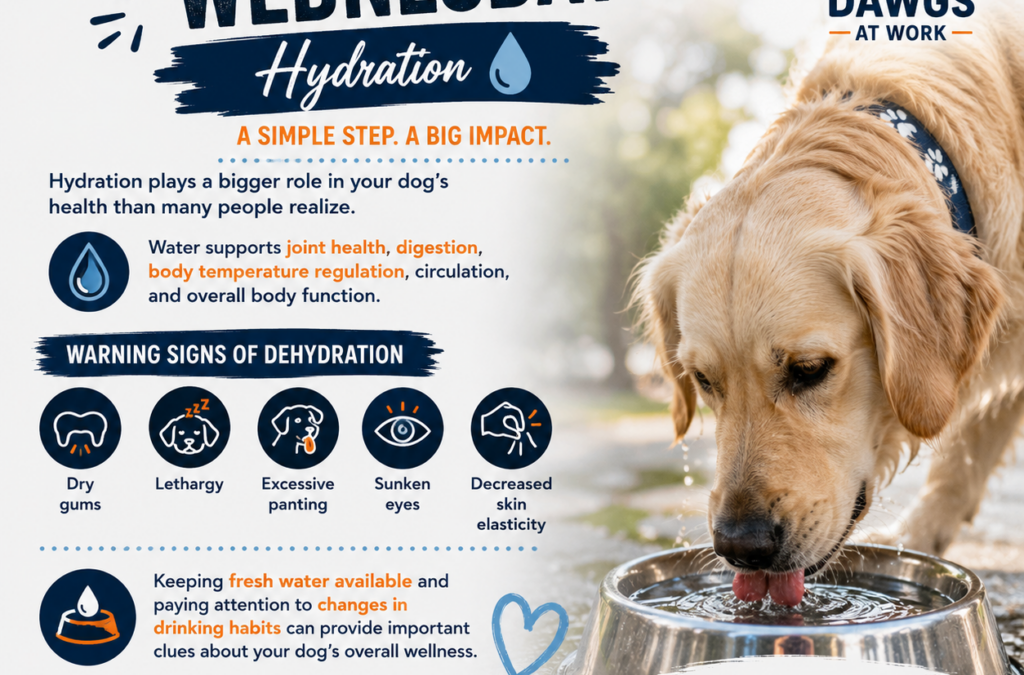
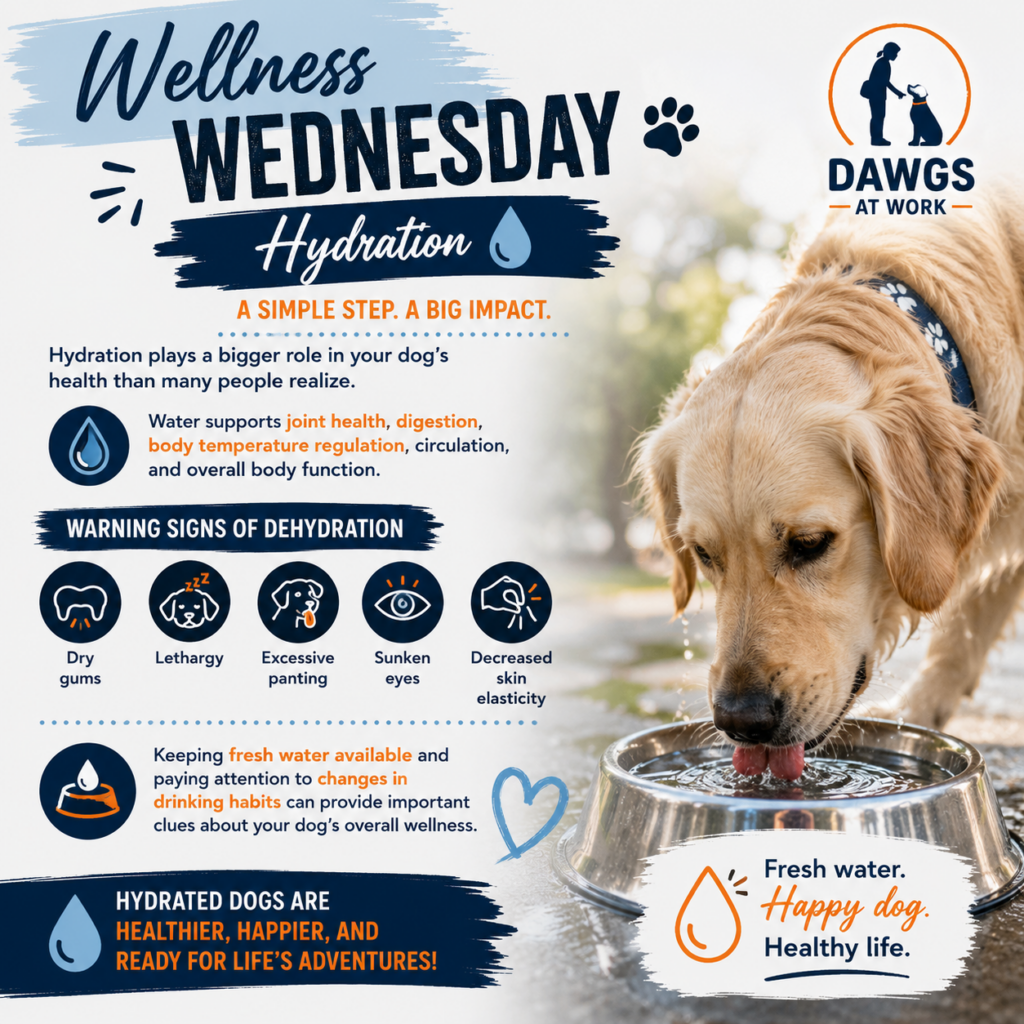
Hydration plays a bigger role in your dog’s health than many people realize. Water supports joint health, digestion, body temperature regulation, circulation, and overall body function. Dogs do not always show obvious signs of dehydration early on, especially during warmer weather, after exercise, or with highly active dogs. Dry gums, lethargy, excessive panting, sunken eyes, or decreased skin elasticity can all be warning signs. Keeping fresh water available and paying attention to changes in drinking habits can provide important clues about your dog’s overall wellness.
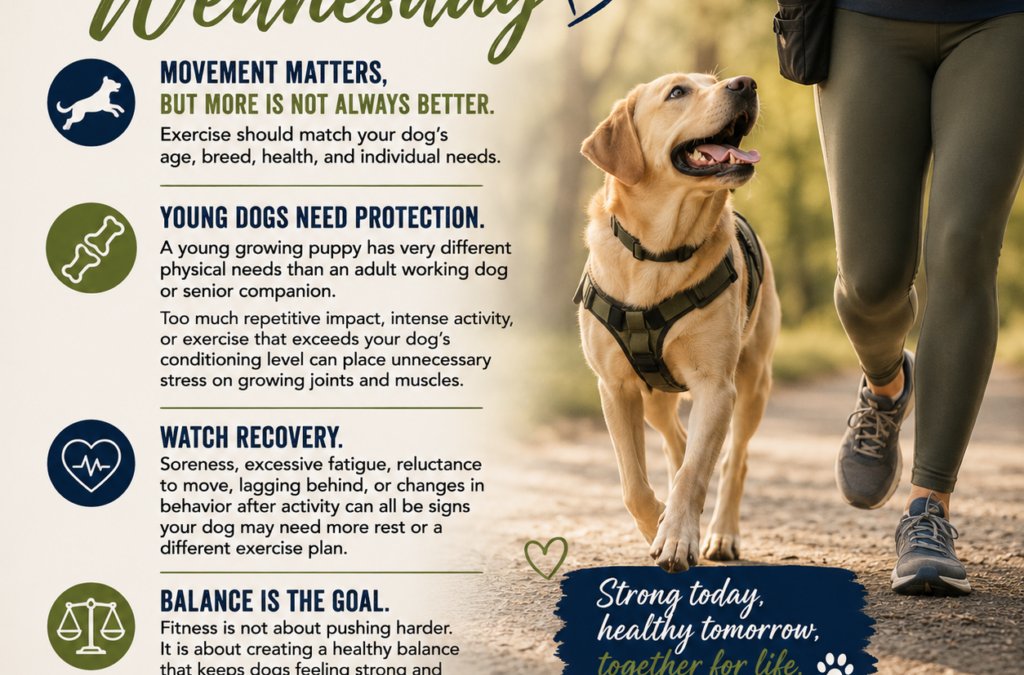
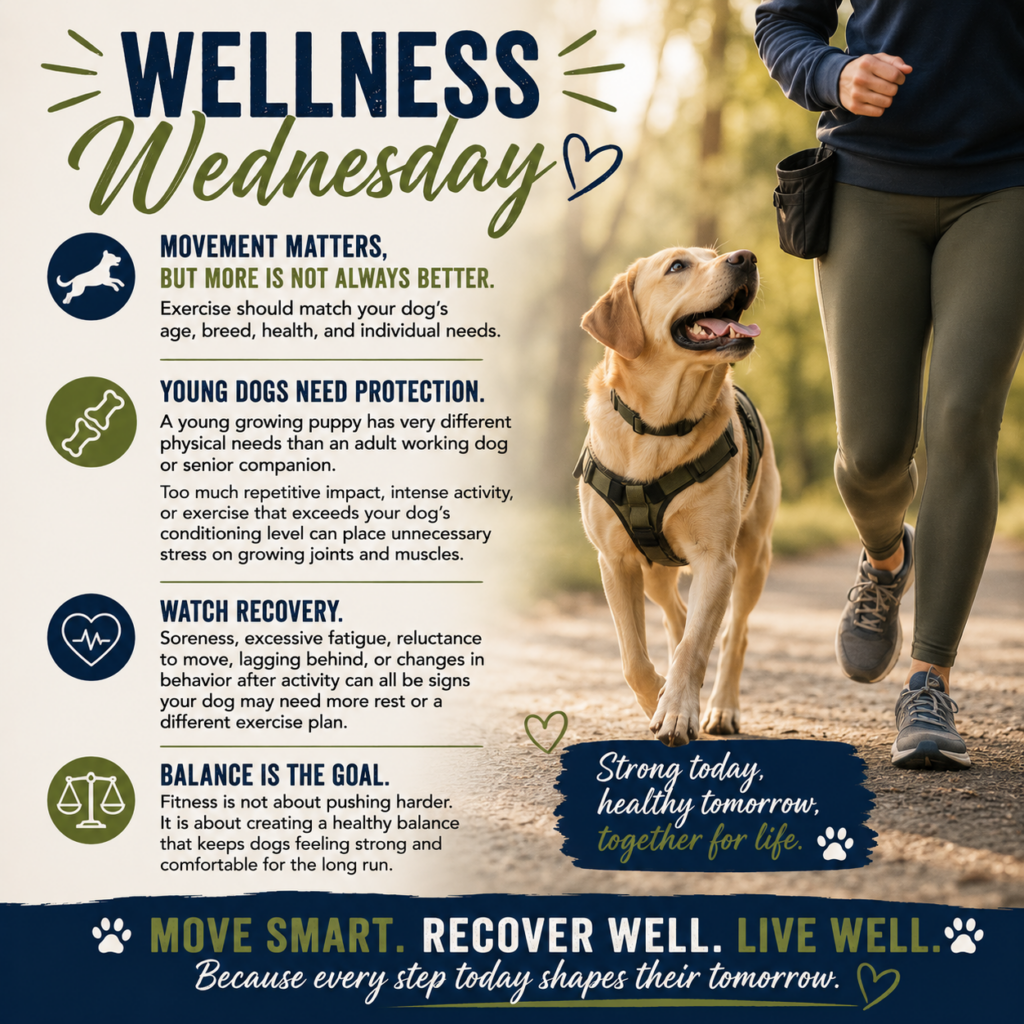
Movement matters, but more is not always better. Exercise should match your dog’s age, breed, health, and individual needs. A young growing puppy has very different physical needs than an adult working dog or senior companion. Too much repetitive impact, intense activity, or exercise that exceeds your dog’s conditioning level can place unnecessary stress on growing joints and muscles. Pay attention to recovery too. Soreness, excessive fatigue, reluctance to move, lagging behind, or changes in behavior after activity can all be signs your dog may need more rest or a different exercise plan. Fitness is not about pushing harder. It is about creating a healthy balance that keeps dogs feeling strong and comfortable for the long run.